

There's a particular anxiety that accompanies jewelry gift-giving when your budget doesn't match your ambitions. You want to give something that feels significant, that communicates care and thoughtfulness, that makes the recipient genuinely excited. But the pieces that seem "impressive" often cost more than you can reasonably spend, and the pieces within your budget sometimes feel inadequate - like you're giving less than the person deserves.
This anxiety is based on a fundamental misunderstanding of what makes jewelry gifts feel valuable. The jewelry industry has convinced people that impressive equals expensive, that bigger stones and heavier price tags automatically translate to better gifts. But actual gift recipients respond to different signals entirely - they value thoughtfulness over cost, wearability over size, personal relevance over generic luxury.
Understanding what creates the impression of generosity and care - independent of actual cost - transforms your gift-giving strategy. You're not trying to fake luxury or trick anyone into thinking you spent more than you did. You're leveraging the reality that smart selection, thoughtful presentation, and genuine understanding of the recipient often communicate more value than simply spending the maximum amount possible on whatever catches your eye.
The Psychology of Perceived Value
Before diving into specific strategies, it's worth understanding what actually makes gifts feel valuable to recipients. Price is one factor, but it's far from the only one - and often not the most important one.
The Presentation Premium
How jewelry arrives matters enormously. The same piece feels dramatically different when handed over in a plastic shopping bag versus presented in beautiful packaging with a handwritten note. This isn't superficial - presentation communicates how much thought and care went into the gift, which recipients interpret as a proxy for their importance to you.
With Olivia Grace pieces already arrive in quality packaging that elevates perceived value. The boxes feel substantial, the presentation is elegant, the overall impression suggests care and quality. This built-in presentation advantage means you're starting from a strong position before the recipient even sees the jewelry.
Enhance this by adding personal touches: a handwritten note explaining why you chose this specific piece, wrapping that reflects the recipient's taste, presentation timing that makes the gift feel special rather than obligatory. These cost-free additions dramatically increase how generous and thoughtful the gift feels.
The Specificity Signal
Generic gifts feel less valuable than specific ones regardless of actual cost. A expensive but obviously random piece communicates "I had to get you something and this seemed nice enough." A more modest piece chosen with clear understanding of the recipient's style, needs, or preferences communicates "I see you, I understand you, I chose this specifically for you."
This specificity premium means that a $150 piece perfectly suited to someone feels more valuable than a $300 piece that's beautiful but generic. The thoughtfulness differential outweighs the price differential in how the gift is received and appreciated.
The Usability Factor
Jewelry that gets worn constantly feels more valuable than jewelry that sits in boxes regardless of actual cost. Recipients unconsciously calculate value based on how much use they get from something. A piece worn three hundred times per year delivers more perceived value than a piece worn three times per year, even if the latter cost more.
This usage calculation means that prioritizing wearability over impressiveness actually increases how valuable your gift feels over time. The initial unboxing moment might be less dramatic, but the accumulated appreciation from constant use far exceeds a single moment of excitement followed by infrequent wear.
The Strategic Selection Framework
Smart gifting starts with understanding which jewelry categories deliver maximum perceived value relative to actual cost.
The Personalization Advantage
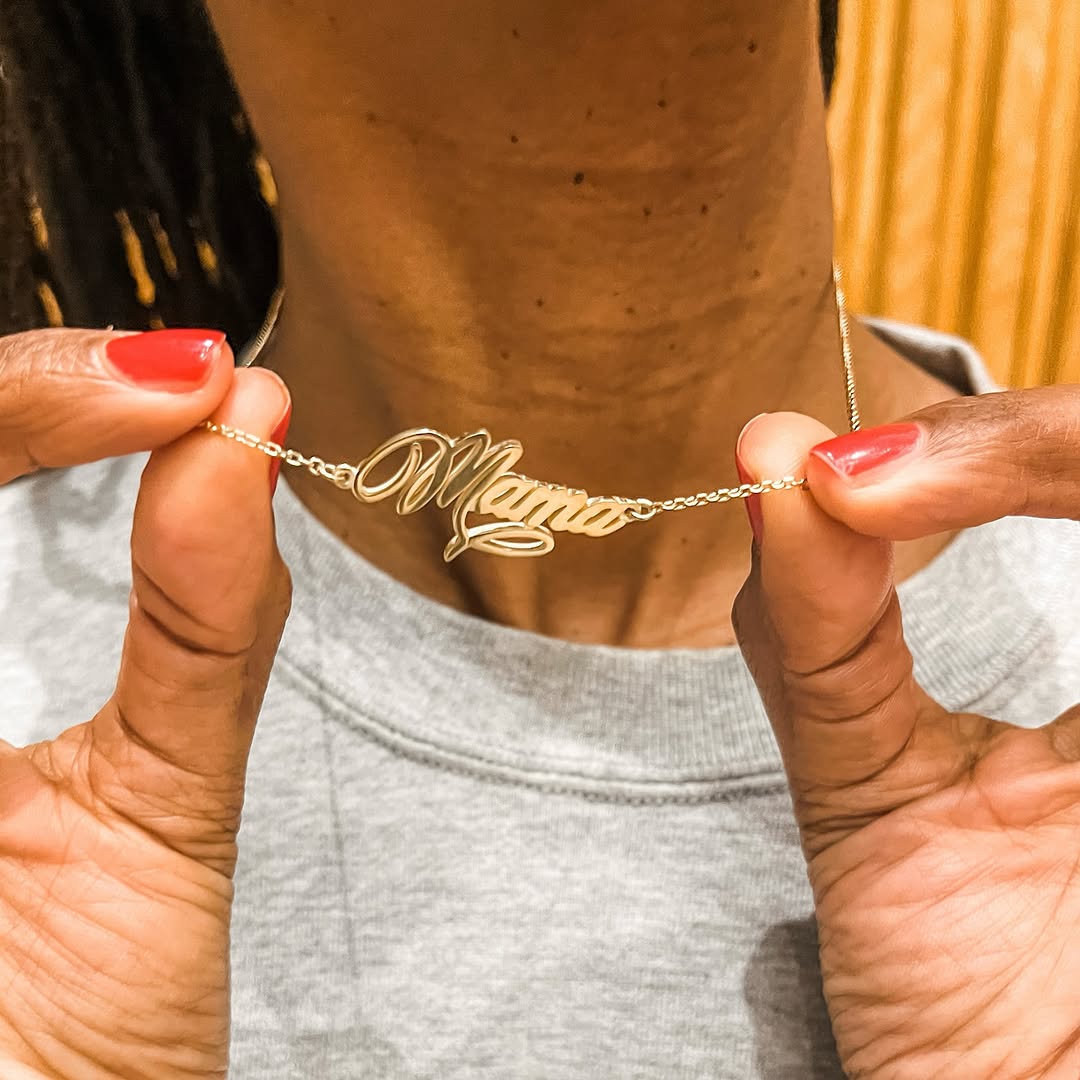
The 14K Gold Mini Initial Necklace represents perhaps the best value-perception ratio available in fine jewelry. The personalization element adds enormous perceived value - this isn't just a necklace, it's a necklace specifically for them, with their initial or someone they love.
That customization suggests thoughtfulness and planning. You didn't just grab something generic off a shelf - you made deliberate choices about whose initial to include, which length would work best for them, how this would integrate into their existing collection. That decision-making process is visible to recipients through the personalization, making the gift feel more valuable than its price suggests.
The piece's inherent quality - real gold, thoughtful design, excellent finishing - ensures it doesn't feel cheap despite accessible pricing. Recipients can see and feel that this is genuine jewelry, not costume pieces pretending to be fine jewelry. That quality confirmation justifies the perceived value your presentation has created.
The Classic Investment Strategy
The Classic Diamond Studs are universally recognized as significant jewelry - cultural conditioning has established diamond studs as "real" jewelry in ways that more unusual pieces might not benefit from. This recognition means recipients immediately categorize them as valuable gifts regardless of the specific cost.
The beauty of quality diamond studs at accessible price points is that most people can't distinguish between studs that cost $200 and studs that cost $2,000 by looking at them. What they notice is "real diamond studs in gold settings" - the category signal rather than the size or quality specifics. This perception gap works in your favor when gifting.
Presenting diamond studs also demonstrates understanding of jewelry fundamentals - you chose the most classic, universally appropriate fine jewelry option possible. That shows sophistication and confidence rather than scrambling to find something trendy or different. Sometimes the most impressive gift is the most classic one executed well.
The Substantial Single-Piece Approach
Sometimes one excellent piece feels more generous than multiple lesser pieces. The Gold Taylor Wave Bangle occupies a price point that's achievable for many gift-givers while delivering substantial wrist presence that feels significant.
The sculptural quality and obvious gold weight create immediate impression of value. Recipients register this as "real jewelry" rather than "nice accessories" - the distinction matters for how generous the gift feels. Single substantial pieces often feel more valuable than multiple smaller items that collectively cost the same or more.
This strategy particularly works for milestone gifts where recipients expect something notable. One meaningful piece delivered with clear intentionality satisfies that expectation better than several pieces that feel like you couldn't commit to a single excellent choice.
The Silver Strategy: Quality at Accessibility
The Simply Silver Collection deserves special attention for smart gift-giving because it delivers With Olivia Grace quality and design at significantly lower price points than gold equivalents.
The Material Misconception
Many people incorrectly assume silver jewelry is inherently less valuable or less appropriate for meaningful gifts than gold. This misconception works in your favor - recipients who understand jewelry recognize quality silver as legitimate choice rather than budget compromise, while recipients who don't know jewelry categories simply register "beautiful, well-made jewelry."
The Simply Silver Cable Chain Earrings demonstrate this perfectly - they're refined, substantial, beautifully designed pieces that happen to be sterling silver rather than gold. The design quality and execution excellence make them feel valuable regardless of metal choice.
Present silver pieces with confidence rather than apologizing for not giving gold. The presentation should communicate "I chose this specific piece because I thought you'd love it" rather than "I could only afford silver." That framing transforms material choice from compromise to intentional selection.
The Volume Advantage
Silver's accessibility means you can give multiple coordinating pieces for what you might spend on a single gold item. A complete set - perhaps silver earrings plus a matching bracelet - can feel more generous than a single piece because recipients receive multiple items, multiple ways to wear the gift, multiple reminders of your thoughtfulness.
This volume strategy works particularly well for gift recipients who appreciate having complete looks rather than single pieces they need to integrate into existing collections. You're not giving them homework to figure out how to style one item - you're giving them a complete solution.
The Presentation Multiplication Effect
How you present jewelry can easily double or triple its perceived value without adding a dollar to the actual cost. Strategic presentation deserves as much attention as piece selection.
The Note that Adds Value
A thoughtful handwritten note explaining your gift choice adds enormous perceived value at zero cost. Not generic sentiments like "Hope you enjoy this" but specific explanation of your thinking:
"I chose this initial necklace with [name]'s letter because I know how much they mean to you, and I wanted you to carry them with you always."
"These earrings reminded me of your elegant, understated style - substantial enough to feel special but simple enough to wear every day."
"I noticed you always wear simple jewelry to work, and I thought these would give you another excellent option that works with everything."
These notes demonstrate attention and understanding. They transform the gift from transaction to communication, from "here's jewelry" to "I see you clearly and chose this specifically for you." That personalization premium costs nothing but creates substantial perceived value.
The Timing Strategy
When you give gifts affects how valuable they feel. Presenting jewelry at an unexpected moment - not a major holiday or obvious gift-giving occasion - makes it feel more spontaneous and thoughtful. You're not giving because you're obligated; you're giving because you wanted to.
Early gifts also work well - giving a holiday present on December 10th rather than December 25th creates distinct moment of appreciation rather than competing with dozens of simultaneously opened packages. The piece gets full attention and emotional response rather than being one item in a pile.
The Context Creation
The environment where gifts are presented affects their reception. Handing someone jewelry across a dinner table at a nice restaurant feels more valuable than tossing a box across the couch during commercial breaks. The setting signals importance, which transfers to the gift.
This doesn't require expensive staging - just thoughtfulness about moment and environment. A quiet morning over coffee, a private moment during a walk, a deliberate pause in the day to acknowledge the person and the gift. These cost-free context choices dramatically increase how special and valuable the gift feels.
The Recipient-Specific Intelligence
The most valuable gift-giving skill is accurately reading what recipients will actually value rather than projecting your own preferences or following generic gift guides.
The Style Observation
Before buying anything, spend time observing what the recipient actually wears. Not what you think they should wear or what you'd wear in their position, but what they choose for themselves day after day.
Do they wear delicate, minimal jewelry or bolder pieces? Gold or silver? Simple studs or interesting earrings? Lots of pieces layered together or single statement items? These observations guide selection toward pieces that align with their existing preferences rather than fighting against them.
A $100 piece that perfectly matches someone's demonstrated taste delivers more value than a $300 piece that's beautiful but wrong for them. The expensive piece might impress momentarily but won't get worn. The well-chosen modest piece integrates into their daily rotation and creates sustained appreciation.
The Need Identification
Sometimes the most valuable gift isn't the most impressive - it's the thing that solves a problem the recipient didn't fully articulate. Maybe they wear the same basic necklace constantly because they don't have better options. Maybe their earring collection is all cheap pieces they never feel great about. Maybe they avoid bracelets because everything they've tried is annoying to wear.
Identifying and solving these gaps creates enormous perceived value. You're not just giving jewelry - you're improving their daily experience of getting dressed and presenting themselves. That practical value compounds over time, creating gratitude that far exceeds the initial cost.
The Delicate Cable Chain Necklace works beautifully for this - it's the "finally, a necklace that just works" solution many people need but haven't articulated. Giving it demonstrates observation and understanding that makes the gift feel thoughtful regardless of its modest price.
The Lifestyle Compatibility
Consider the recipient's actual life rather than idealized versions. Someone working with their hands needs durable, low-maintenance jewelry. Someone in conservative professional environments needs pieces that won't read as inappropriate. Someone with an extremely active lifestyle needs jewelry that won't require constant removal.
The Small Gold Tube Hoops exemplify lifestyle-compatible gifting - they work for essentially any context, require minimal thought or maintenance, and integrate seamlessly into diverse wardrobes and routines. That practical compatibility makes them more valuable than more dramatic pieces that demand specific circumstances.
The Multi-Piece Strategy
Sometimes giving two modest pieces feels more generous than one piece at the same total cost. This works when the pieces complement each other and create complete solutions rather than seeming like you couldn't commit to a single good choice.
The Layering System
Pair the 14K Gold Mini Initial Necklace with the Delicate Cable Chain Necklace to create a complete layering system. You're not just giving two necklaces - you're solving the recipient's necklace situation by providing perfectly coordinated pieces that work together.
This systematic thinking demonstrates sophistication and planning. You've thought about how jewelry actually gets worn rather than just choosing pretty individual pieces. That thoughtfulness increases perceived value substantially.
Present these together with explanation: "I wanted to give you a complete layering system rather than just single pieces, so you have options that work together perfectly." This framing emphasizes the strategic thinking behind the gift.
The Complementary Pair
Similarly, pairing the Mini 14kt Yellow Gold Rain Drop Earrings with the Small Gold Tube Hoops gives recipients complete ear styling options. They can wear each piece alone in first holes, or create curated ear looks using both if they have multiple piercings.
This complementary approach shows you're thinking about versatility and styling possibilities rather than just buying two random earrings because you couldn't decide between them. That intentionality differentiates smart multi-piece gifting from scattered gift-giving.
The Gift-with-Purchase Optimization
Take advantage of any promotional periods or gift-with-purchase offers to increase what recipients receive without increasing what you spend. Extended return windows, complimentary gift wrapping, bonus items - these enhance perceived value at zero additional cost.
Time major gift purchases around Black Friday or other promotional periods when possible. The same pieces cost less, allowing you to either save money or upgrade selections while maintaining budget. Recipients never need to know you got better pricing - they just receive excellent gifts.
The Sizing Confidence
One way gifts feel less valuable is when they don't fit and require exchange. This signals you didn't do research or weren't confident enough to commit to correct choices. Strategic category selection eliminates sizing concerns:
No-sizing categories: Earrings for pierced ears require zero size knowledge. The 14kt Yellow Gold Rain Drop Earrings or Classic Diamond Studs work for essentially everyone.
Flexible-sizing options: Necklaces have reasonable length flexibility. Bangles like the Gold Taylor Wave Bangle work for range of wrist sizes. Chain bracelets like the Herringbone Chain Bracelet include adjustable lengths.
Acknowledging sizing needs: If you choose rings, include note acknowledging sizing might need adjustment and that you're happy to handle the exchange process. This transforms potential negative (wrong size) into positive (you planned for contingencies and will make it right).
The Long-Game Thinking
Sometimes looking like you spent more isn't about the immediate gift but about creating patterns over time. Giving modest but excellent pieces consistently creates impression of generosity that exceeds any single expensive gift.
The Series Strategy
Instead of one big gift annually, consider smaller excellent gifts more frequently. The 14K Gold Mini Initial Necklace with one initial this year, another initial next year, gradually building a collection. Each gift feels special while the accumulation becomes substantial.
This approach spreads costs over time while creating sustained appreciation. Recipients don't just remember one gift-giving moment - they remember continued thoughtfulness over months or years.
The Foundation Building
Start with foundational pieces like the Classic Diamond Studs or Delicate Cable Chain Necklace, then add complementary pieces over time. Each subsequent gift references and builds on previous gifts, demonstrating long-term thinking about their collection development.
This systematic approach feels more generous than random gift-giving at similar total cost because it shows sustained attention to their jewelry needs rather than sporadic obligation fulfillment.
The Confidence Factor
Perhaps the most important element of looking like you spent more is simply presenting your gift with confidence. Apologetic gifting - hedging, explaining budget constraints, pre-emptively downplaying the gift - immediately decreases perceived value.
Present your selection as if you made excellent choices (which you did through strategic selection) rather than as if you settled for what you could afford. The confidence communicates value that recipients absorb and reflect back in their appreciation.
Your framing options: Wrong: "I wish I could have gotten you something nicer, but this was what I could afford." Right: "I chose this because I thought it would be perfect for your style and something you'd wear constantly."
The second approach makes the same gift feel significantly more valuable because you're emphasizing intentional selection rather than budget limitation.
The Truth About Smart Gifting
Looking like you spent more than you did isn't about deception - it's about understanding what actually creates value in jewelry gifts. Thoughtfulness, personal relevance, quality execution, beautiful presentation, and genuine understanding of the recipient's needs and style all communicate generosity independent of specific dollar amounts spent.
The jewelry industry wants you to believe that impressive requires expensive, that meaningful requires maximum spending. But recipients care more about feeling seen, understood, and valued than about how much you spent. Smart selection demonstrates those qualities more effectively than expensive randomness ever could.
Ready to give gifts that feel more generous than their actual cost? Explore strategic pieces like the 14K Gold Mini Initial Necklace, Classic Diamond Studs, Simply Silver Collection, and Small Gold Tube Hoops at witholiviagrace.com. Sometimes the smartest spending is the most strategic, not the most extravagant.


